What is Pentecost?
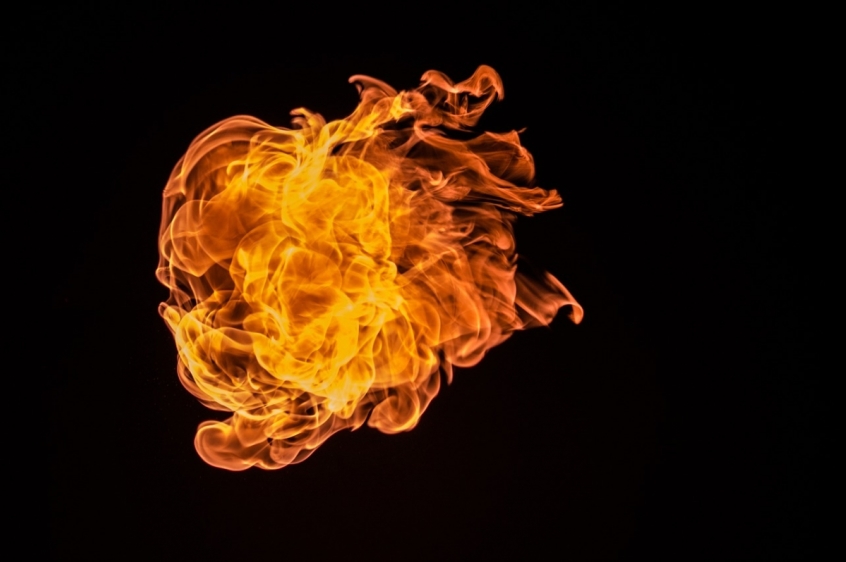
Pentecost is the celebration of the coming of the Holy Spirit and the birth of the Church. The story is recounted in the Book of Acts. 'When the day of Pentecost had come, they were all together in one place,' we are told. 'Suddenly from heaven there came a sound like the rush of a violent wind, and it filled the entire house where they were sitting. Divided tongues, as of fire, appeared among them, and a tongue rested on each of them. All of them were filled with the Holy Spirit and began to speak in other languages, as the Spirit gave them ability.'
We go on to read about Peter's preaching, the initial confusion of the crowd and then the thousands who were added to their number that day.
The crowds were gathered to mark the Jewish celebration of Shavuot.
When is Pentecost?
As the name suggests, Pentecost is marked 50 days on from Easter. It marks the end of the Easter season. It is celebrated on Pentecost Sunday but also special prayer events often take place in the preceding days.
How does the Church celebrate Pentecost?
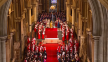
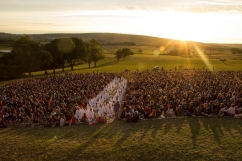
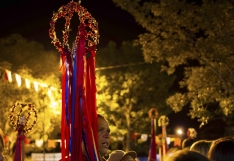
The celebrations are numerous and diverse. However, in western churches, they will often involve red banners, robes and other items to indicate the fire of the Holy Spirit (Bishop's mitres are in the shape of flames, to remind us of the fire that fell on the apostles).
The nine days preceding Pentecost have traditionally been a time of prayer and anticipation, sometimes called the Novena.
In the UK, Pentecost was often known as Whitsun. The following week would traditionally be a holiday time, which lasted until 1978 when the bank holiday on Whit Monday was secularized to become the Spring Bank Holiday. In the North West of England, whit walks often still take place, sometimes with banners and bands.
In many traditions, special prayers will be said for the renewal of the blessing of the Holy Spirit. Baptisms often take place on Pentecost Sunday.
What has this go to do with Pentecostals?
Pentecostals trace their roots back to a revival in the early 20<sup>th Century in California. Ever since then, Pentecostalism has thrived on a direct experience of the Holy Spirit – in expression similar to that recounted in the Acts account of the first Pentecost.
In many Pentecostal churches, though, specific days aren't really set aside, so while some will mark Pentecost this Sunday, it's more likely that it will be a 'normal' Sunday in many Pentecostal congregations.