The World Council of Churches (WCC) has issued a statement of concern about post-election violence in Tanzania and has called for an investigation into what went wrong in the country.
On 29 October, Tanzania held its presidential election which incumbent President Samia Suluhu Hassan won with 98 per cent of the vote. Several opposition leaders were arrested prior to the vote on supposed national security grounds. Opposition leader Tundu Lissu has been accused of treason and was barred from standing in the elections.
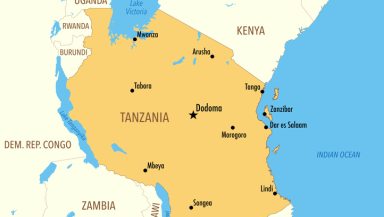
Following the election violence broke out between police and protestors in Dar es Salaam, Mbeya and Tunduma. The full extent of the violence remains unknown, but what is known is that the police used lethal force and a number of people have died.
The WCC expressed “deep concern and sorrow” about the situation.
Dr Jerry Pillay, General Secretary of the WCC, said, “Reports of widespread protests, excessive use of force by security agencies, and numerous civilian casualties are deeply distressing and call for urgent moral reflection and accountability.
"The WCC joins the Tanzanian churches and the wider ecumenical family in mourning the lives lost and condemning the use of lethal force against citizens exercising their legitimate rights to peaceful assembly and freedom of expression.
“The sanctity of human life — a gift from God — must be protected at all times, and no political process should ever justify the shedding of innocent blood.
"We are gravely troubled by reports indicating widespread repression, including mass arrests, intimidation, and restrictions on internet access, which have further constrained civic space and silenced voices of dissent.”
Pillay said that the exclusion of key opposition figures and parties from the election undermined the credibility of the election.
“The WCC stands in solidarity with the people of Tanzania in their pursuit of peace, justice, and transparent governance. We affirm the role of the Christian Council of Tanzania (CCT) and other faith-based organizations that continue to call for restraint, dialogue, and reconciliation amid growing tensions," he continued.
The WCC issued a call for dialogue instead of violence, and for human rights to be protected. It always wants an investigation to be launched into the violence to hold those responsible to account.