Christian leaders in Scotland have said that the premature end of the Listed Places of Worship Grant Scheme (LPWGS) will have a severe impact on churches attempting to maintain their buildings.
Just last week a similar warning was made by the National Churches Trust, which said that the end of the scheme "leaves potentially hundreds of churches in the lurch".
The LPWGS was first established in 2001 by the then Chancellor Gordon Brown. Under the scheme historic churches were exempt from paying VAT on repairs. Initially intended as an interim measure, the scheme was essentially renewed by every government, that is until Sir Keir Starmer came to power.
The scheme was due to come to an end on 31 March and be replaced by the Places of Worship Renewal Fund (PWRF). However, not only did Labour announce the end of the LPWGS, they also nearly halved its budget, meaning the money has already run out.
The NCT said that the PWRF was not yet up and running, had the same reduced budget and added tax burdens that previously did not exist.
The Scottish Church Leaders’ Forum has also expressed its concerns. In a letter to culture minister Lisa Nandy, the forum said the abrupt ending of the LPWGS would “severely affect community efforts to fix roofs, maintain ageing heating systems and hold back damp”.
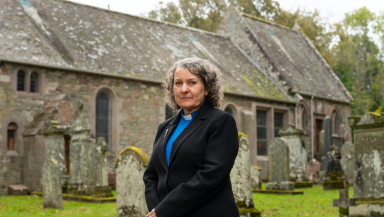
One of the signatories of the letter was the Rt Rev Rosie Frew, moderator of the Church of Scotland General Assembly.
The Church of Scotland has over 1,100 listed properties, and Rev Frew noted that the ending of the scheme was a threat to the ongoing viability of some its buildings. Already a number of the Church’s historic buildings have been sold due to changing demographics and unsustainable costs.
She said, “We were surprised to learn, via a press release, that LPWGS is being closed at the end of the month and very disappointed that this decision was taken without any formal consultation with religious denominations in Scotland.
"The UK Government announced a replacement grant scheme for England only at the end of January and the UK Government appears not to have informed the Scottish Government prior to this unexpected announcement."
She is seeking "urgent clarification and assurances" that funding will continue to be available in Scotland for essential repairs to listed church buildings.
She added that churches represented not only cultural architecture but “living, breathing spaces at the heart of communities” that provide valuable services, particularly for those in need.
However, she said that financial pressures may lead to more historic churches being sold.
"We acknowledge the current budgetary constraints facing all levels of government, but listed churches are not simply about curating cultural architecture, they are important centres for the whole community," she continued.
“They are living, breathing spaces at the heart of communities, the length and breadth of Scotland, and play a vital role in community life, hosting social action/outreach work including foodbanks, activities for schools, young people and the elderly.
“The decision to end LPWGS will impact current repair projects as well as ending a scheme which has been vital over many years, and without will add further financial burdens to congregations and the Church as a whole.
“The Church has been forced to sell many historic and beloved buildings in recent years because we can’t afford to keep and run them, due to changing demographics and behaviour patterns.
“Sadly, the likelihood is that this move will make further disposals happen sooner.”
Rev Frew and Scottish Catholic leader, Rt Rev John Keenan, will be taking their concerns to Kirsty McNeil MP, Parliamentary Under Secretary of State for Scotland, at a meeting on 10 March.
Keenan said the funding gap will have a "massive impact" on larger projects at Catholic churches in Scotland.
"One of our eight dioceses alone has estimated that it will stand to lose over £100,000 per annum on the routine maintenance works that it carries out on its listed churches," he said.
"In areas of deprivation where the environment is falling into depopulation and decline, the open doors of the local church and the light shining from within, is a source of solidarity, consolation and hope for the community that remains."