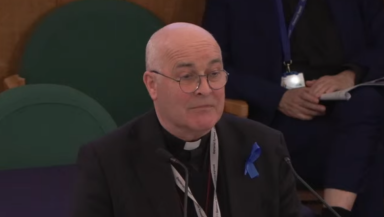
The head of the Church of England's disciplinary process has said that the Archbishop of York has no case to answer over how he handled a safeguarding complaint.
Archbishop Stephen Cottrell came under scrutiny after a 2024 BBC investigation claimed that he had allowed disgraced former priest, David Tudor, to remain in post for nine years when he was Bishop of Chelmsford and return as an area dean despite being aware of serious safeguarding concerns about him.
Tudor was later barred from ministry over the sexual assault of two teenage girls. Archbishop Cottrell has always claimed that there were legal constraints that prevented him from being able to remove Tudor sooner.
The president of the Church of England's clergy discipline measure (CDM), Sir Stephen Males, has cleared him of misconduct, stating that Cottrell "had no power to remove or suspend David Tudor from ministry". It means that Cottrell will not have to take part in a disciplinary hearing.
Sir Stephen said: “I conclude that although some mistakes were made in the handling of David Tudor’s case, there is no case for the respondent to answer in respect of which a disciplinary tribunal should be requested to adjudicate.”
One of Tudor's victims told the BBC said was "disgusted and appalled" by the decision not to take action against Cottrell, and said that it raised questions about accountability within the CofE leadership. Other critics have made similar comments given the timing of the decision, coming just weeks after Cottrell dismissed a CDM against new Archbishop of Canterbury, Dame Sarah Mullally.
Responding to Sir Stephen's decision not to take any further action against him, Archbishop Cottrell admitted there were "some things I wish I had done differently".
"I am sorry that the reappointment of Mr Tudor as Area Dean did not sufficiently consider the impact on those he had harmed," he said.
"With today’s trauma-informed understanding - which rightly places greater emphasis on listening carefully to survivors and recognising the lasting harm caused by abuse - I would take a different approach now.
"Safeguarding standards within the Church of England have changed and improved significantly since Mr Tudor was allowed back to ministry in the 1980s.
"I am committed to ensuring that this progress continues as we strive towards a safer Church. I remain committed to meeting with victims and survivors to learn from their experiences and to strengthen safeguarding practice, and I am grateful to those who have come forward to share their experiences."