Hundreds of churches across the UK are receiving vital financial support to remain open and safe, as rising repair costs and shrinking funding streams place historic buildings under increasing strain.
UK charity National Churches Trust has distributed over £900,000 in its latest round of grants to churches, chapels and meeting houses nationwide.
The funding will go towards pressing restoration needs and will allow buildings to continue serving their communities, with worship, social support and outreach.
The announcement comes at a challenging time for churches. Changes introduced earlier in 2025 to the Government’s Listed Places of Worship Grants Scheme mean that VAT relief on repairs is now capped, making many projects significantly more expensive.
The Listed Places of Worship Grants Scheme has provided crucial support to churches for more than two decades, helping thousands reclaim VAT on essential repair work.
Since its launch in 2001, around 13,000 places of worship have benefited. However, recent government changes mean the scheme is now only guaranteed until March 2026, with a new £25,000 cap on VAT claims regardless of the total repair cost.
With no certainty beyond next year, inflation and the rising cost of materials, many churches are facing growing funding gaps and delaying urgent maintenance work amid fears the scheme could be withdrawn altogether.
Despite this, the Trust says targeted investment delivers clear returns. Research suggests that for every £1 spent on a church building, around £16 of social good is generated through community use, volunteering, cultural activities and support services.
The funding has been made possible through a combination of individual donors, legacies and partnerships with other grant-making bodies, including the Wolfson Foundation and the National Lottery Heritage Fund.
Through these partnerships, additional fabric repair grants amounting to as much as £10,000 have been awarded to churches facing urgent structural issues.
Chief executive of the Wolfson Foundation, Paul Ramsbottom, said churches remain central to local life: “At the heart of local communities sits churches: places of worship, places of support for local people and places of shared heritage.
“The Wolfson Foundation has a particular interest in the heritage of these remarkable buildings, and we are pleased to continue our partnership with the National Churches Trust to help keep them open, safe and in fine condition for the future."
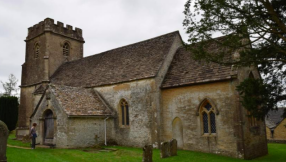
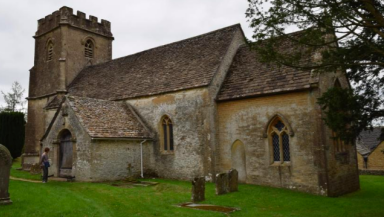
Among the projects supported in this round of grants is a Saxon church in the Cotswolds, which will install its first toilet after more than 1,000 years after receiving a grant from the Headley Trust of £7,000, removing a major barrier to older people, families and those with disabilities.
In Oxford, funding has helped keep a 14th-century church open after it came close to closure, while in Nottingham, a concrete tower at a 1960s church on Historic England’s Heritage at Risk Register is being stabilised after years of deterioration.
Grants have also enabled a church in Lancashire to carry out safety-critical repairs so it can continue delivering its programme aimed at addressing child poverty. The Trust noted that many buildings are cared for almost entirely by volunteers.
A recent survey by the Trust suggests that up to 2,000 churches across the UK could close by 2030. While most congregations remain optimistic, around 5% reported doubts about whether their church could continue over the next five years.
Rural churches were identified as particularly vulnerable, alongside Methodist and Presbyterian denominations facing sharper financial pressures.
The chief executive of the National Churches Trust, Claire Walker, said urgent action is needed.
“The costs for caring for them – and we’re talking about some of our nation’s most important buildings – should not fall onto local people to fund,” she said.
“We need to find creative solutions to help keep them open and in use. We urge the UK Government to show leadership and work with heritage organisations and Christian denominations to create a plan to properly fund churches, chapels and meeting houses in the UK, so they can remain at the heart of local communities for generations to come.”