Representation is one of the most powerful forces in human existence.
A single representative can shape the destiny of a family, a community, a company, or even an entire nation. Representatives influence culture, define values, and communicate what is acceptable, honourable, and true. Whether in politics, leadership, parenting, ministry, or friendship, representation carries weight because people are always reflecting something greater than themselves.
From a biblical perspective, representation is even more profound. Scripture repeatedly shows that God works through representatives, and the spiritual consequences of their actions often extend far beyond their individual lives.
The two representatives: Adam and Christ
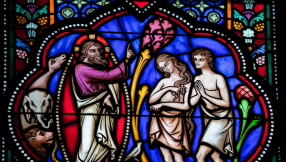
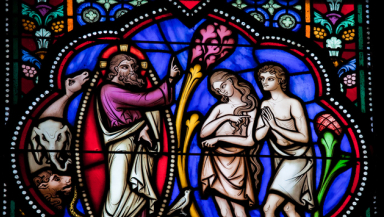
The clearest example begins with Adam. Adam stood as the representative of humanity before God. When he disobeyed God in the Garden of Eden, sin entered the world through him, and all mankind inherited the consequences of that fall (Genesis 3:6-7; Romans 5:12). Humanity’s relationship with God was broken, creation itself became corrupted, and death entered the human story (Romans 8:20-22; Genesis 3:17-19). One man’s disobedience affected generations (Romans 5:18-19).
Yet the beauty of the Gospel is that God responded to Adam’s failure with another representative: Jesus Christ.
Where Adam failed, Jesus obeyed perfectly (Hebrews 4:15; Philippians 2:8). Through the obedience, sacrifice, and resurrection of Jesus - the Son of God - salvation became available to all mankind (Romans 5:19; 1 Corinthians 15:21-22). Through Him, our relationship with God can be restored, our sins forgiven, and eternal life made possible (2 Corinthians 5:18-19; John 3:16). Scripture describes Jesus as the “second Adam” because He reversed what the first Adam set in motion (1 Corinthians 15:45-47). One man brought condemnation; another brought redemption (Romans 5:15-18).
Scripture teaches that apart from Christ, humanity still remains under Adam - under the dominion of sin and spiritual separation from God (Ephesians 2:1-3; Romans 6:23). There are ultimately only two kingdoms and two spiritual headships: Adam or Christ (Colossians 1:13; 1 Corinthians 15:22). To reject Christ is not to stand spiritually neutral, but to remain under the rule of darkness and the influence of Satan, whom Scripture calls the ruler of this world (John 12:31; Ephesians 2:2; 2 Corinthians 4:4).
So, representation has always mattered deeply to God.
The weight of representation
Throughout the Bible, God appointed priests, prophets, judges, kings, and spiritual leaders to stand before Him on behalf of people (Exodus 28:1; Deuteronomy 18:18; Judges 2:16; 1 Samuel 10:1; Hebrews 5:1). These individuals were not merely acting for themselves - they carried spiritual responsibility for others. Their obedience brought blessing, while their rebellion often brought destruction (Deuteronomy 28:1-2; 1 Samuel 15:22-23).
Consider Abraham, the father of many nations (Genesis 17:4-5; Romans 4:16-17). His life demonstrated both the seriousness and the reward of covenant representation. When God made a covenant with Abraham in Genesis 15 (9-18), the details mattered greatly. Abraham’s journey was marked by moments of weakness and moments of extraordinary faith (Genesis 12:10-13; Romans 4:20-21). Yet his willingness to trust God - especially when asked to offer Isaac - released generational blessing upon his descendants and positioned Israel to inherit the Promised Land (Genesis 22:1-2; Hebrews 11:17-19; Genesis 22:17-18; Genesis 26:3-4).
We also see the power of representation in the prophet Elijah. During a time of national rebellion and spiritual compromise, Elijah stood before God on behalf of Israel (1 Kings 18:18-19; James 5:16-17). His prayers affected an entire nation: drought came, and later rain returned (1 Kings 17:1; 1 Kings 18:41-45; James 5:17-18). One man’s obedience and intercession shifted the atmosphere of a people and demonstrated the authority of God before a generation that had wandered from Him (1 Kings 18:36-39; Romans 11:3-4).
The Bible continually reminds us that representation is never neutral. The lives we live affect others more than we realise.
Representing Christ to the world
As Christians, we have the greatest representative of all: Jesus Christ Himself. Through His sacrifice, we are able to come boldly before God, not because of our own righteousness, but because Jesus stands in our place (Hebrews 4:14-16; Romans 3:22). The Holy Spirit also advocates on our behalf, comforts us, convicts us, and continually draws us closer to the Father (John 14:16-17; Romans 8:26-27). Because of grace, we are no longer separated from God - we are welcomed into His family (Ephesians 2:13; Galatians 4:4-5).
But salvation is not only about being represented; it is also about becoming representatives. The moment we become children of God; we are entrusted with the responsibility of reflecting Christ to the world around us (2 Corinthians 5:20; 1 Peter 2:9). In our speech, our conduct, our love, our integrity, and our compassion, people should be able to glimpse the heart of Jesus (Colossians 3:17; 1 Timothy 4:12).
For many people, the only “Bible” they may ever encounter is the life of a believer (Matthew 5:16; 2 Corinthians 3:2-3). This is why representation matters so deeply. The way we live can either draw people closer to God or push them further away (Romans 2:24; 1 Peter 2:12). We can become vessels of healing, truth, grace, and reconciliation or instruments of confusion, hypocrisy, and hurt (2 Corinthians 5:18-19; Romans 6:13). Our choices echo beyond us into families, friendships, churches, and future generations.
Representation is not simply about influence; it is about stewardship (1 Corinthians 4:2; Luke 12:48). Parents represent stability to children. Leaders represent vision to followers. Pastors represent spiritual guidance to congregations. Friends represent loyalty to one another. And Christians represent Christ to a world searching for hope (2 Corinthians 5:20; Romans 10:14-15).
This should humble us, but it should also inspire us. Because when we walk closely with God, our lives become evidence of His goodness (Psalm 34:8; Galatians 2:20). A kind word can restore someone’s hope (Proverbs 16:24; Ephesians 4:29). An act of forgiveness can reveal God’s mercy (Ephesians 4:32; Colossians 3:13). Quiet obedience can become a testimony that impacts generations we may never meet.
Final thoughts
Every day, consciously or unconsciously, we are representing something. And every person is being represented, whether they realise it or not. We are either represented by Adam - marked by sin, separation, and death - or by Christ, marked by grace, righteousness, and eternal life.
So, dear reader, the question is not whether you are a representative. The question is: Who are you representing? And just as importantly: How are you representing Christ today?